Why International Women’s Day Still Matters in 2026 and What Businesses Can Do
Why International Women’s Day Still Matters
International Women’s Day is a time for women around the world to reflect. The UN theme for 2026 is 'Rights. Justice. Action. For All Women and Girls'. It's a statement that stands to remind us that while progress is happening, we’re still miles from equality for women everywhere.
In many parts of the world, women have more opportunities than previous generations could have imagined. Yet the global picture shows how uneven that progress still is. The conversation around equality cannot just be about celebrating success. It also has to acknowledge the work that remains.
The Reality Behind the Numbers
Globally, women currently have just 64% of the legal rights that men hold. At the pace things are currently changing, it’s estimated it’ll take 286 years to close those legal protection gaps.
There are many countries with laws that still allow early and child marriage – this affects around 12 million girls every year. These girls’ safety and independence are all impacted long before those girls have the chance to choose their own future.
No single business can solve these huge challenges, but talking about the rights of women and girls around the world will always be important.
Why IWD Matters in the Workplace
Employment is one of the biggest drivers of independence and opportunity: a career provides financial security and professional growth, as well as being a confidence builder for a lot of people.
Businesses have more influence than they think. The decisions we make around hiring and leadership, about being open and transparent about pay, and workplace culture; all of these things have an effect on whether people feel they can progress and thrive. Women who see other women finding their own success is inspiring. For many of them, the workplace is where equality actually becomes real, rather than a buzzword.
Sewell Wallis: Owned by Women
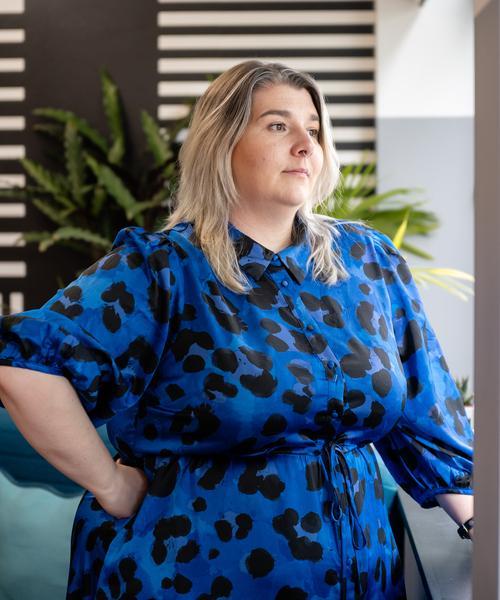
International Women’s Day is something we reflect on each year at Sewell Wallis. Our business is owned by two women who are shining examples of success in an industry that’s perceived as a bit of a boys' club. Today, more than 70% of our team are women.
Recruitment hasn’t, historically, been a particularly balanced industry. Particularly at leadership level, it can be quite male-dominated. This disconnect between our business and how the industry is perceived is part of why we think representation matters. When people can see themselves reflected in leadership and decision-making roles, it sends a powerful signal about what is possible for them.
We do want to stress, though, that diversity isn’t about ticking boxes. What it should be about is creating an environment where the people in it feel supported to build long and successful careers. It’s about recognising talent, regardless of background.
Make Action An Everyday Practice
The word ‘action’ in this year’s theme is important. We don’t drive progress with single moments – we need consistent decisions made over time by those who are already in successful positions.
What does that action look like in the workplace?
Fair and transparent pay structures for everyone
The gender pay gap in the UK sat at 6.9% in 2025 for full-time employees. Women are, on average, paid almost 7% less than men, and this only increases as women get older. Being honest and reporting on your pay structures, even if they’re not equitable currently, shows you’re dedicated to improving the issue and helping drive change.
Supporting career progression and leadership development
It’s 2026. Women might make up a large portion of the workforce, but leadership roles remain disproportionately male in so many industries. The businesses that actively support progression for women, through mentorship and leadership training are the ones that will see talented women rise. By creating clearer pathways and investing in developing everyone, not just those who fit the typical ‘board room’ vibe, these businesses are helping pave the way for future women.
Flexible working that allows people to balance life and work
Flexible working has become one of the most important workplace shifts of the past decade. In the UK, where care responsibilities so often fall to women, a lack of flexibility often results in women leaving the workplace entirely. Offering options such as hybrid working, flexible hours or compressed weeks helps companies retain experienced women, stopping them from having to choose between their career and their personal responsibilities.
Hiring processes that focus on skills and potential, not demographics
Unconscious bias still influences hiring decisions, particularly in sectors that have historically been male-dominated. When businesses prioritise capability and potential over assumptions about career paths or backgrounds, they create fairer opportunities for talented women to enter and progress within their industries.
These are not headline-grabbing changes to make; they’re practical steps that we can apply consistently and by doing so, we’ll create more inclusive workplaces.
Progress Is Built One Opportunity at a Time
International Women’s Day is a time to recognise the progress that has been made, but also to acknowledge the work is never finished.
Everyone in a business plays a role in helping shape the opportunities people have, but senior leaders have a particular responsibility to ensure their business practices are fair.
Real change rarely happens overnight, particularly with long-term, systemic issues like gender disparity, but when organisations choose to move things forward, even one decision at a time, we can drive change together.